
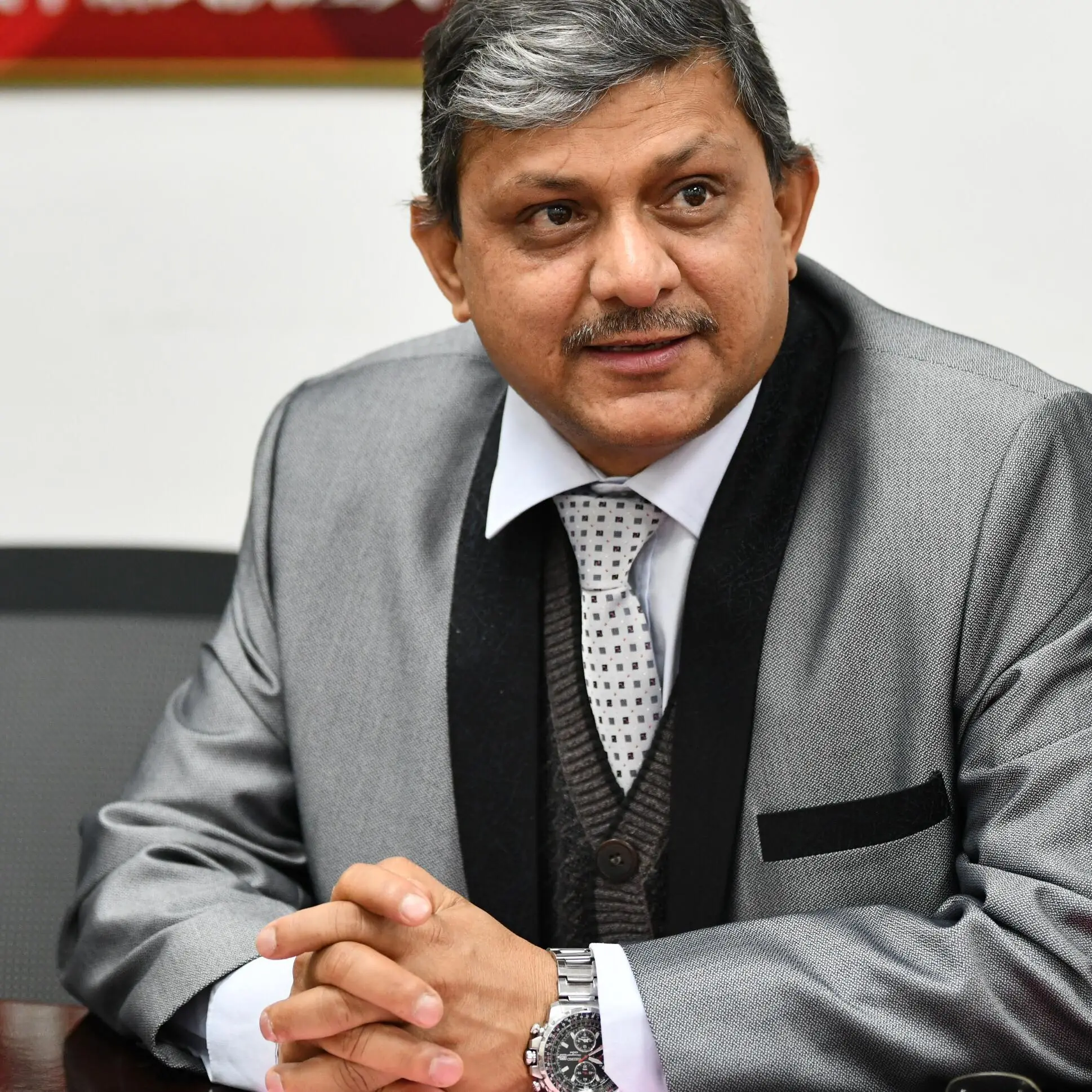
Mr. K.P. Pathak
Chairperson
About the academy
Nepal Film and Cultural Academy was established in August 2017 by film industry veterans and long-time creative practitioners with a single mandate: to advance film culture in Nepal, and to anchor the country’s creative sector in international discourse while preserving its cultural heritage.
01 / Who we are
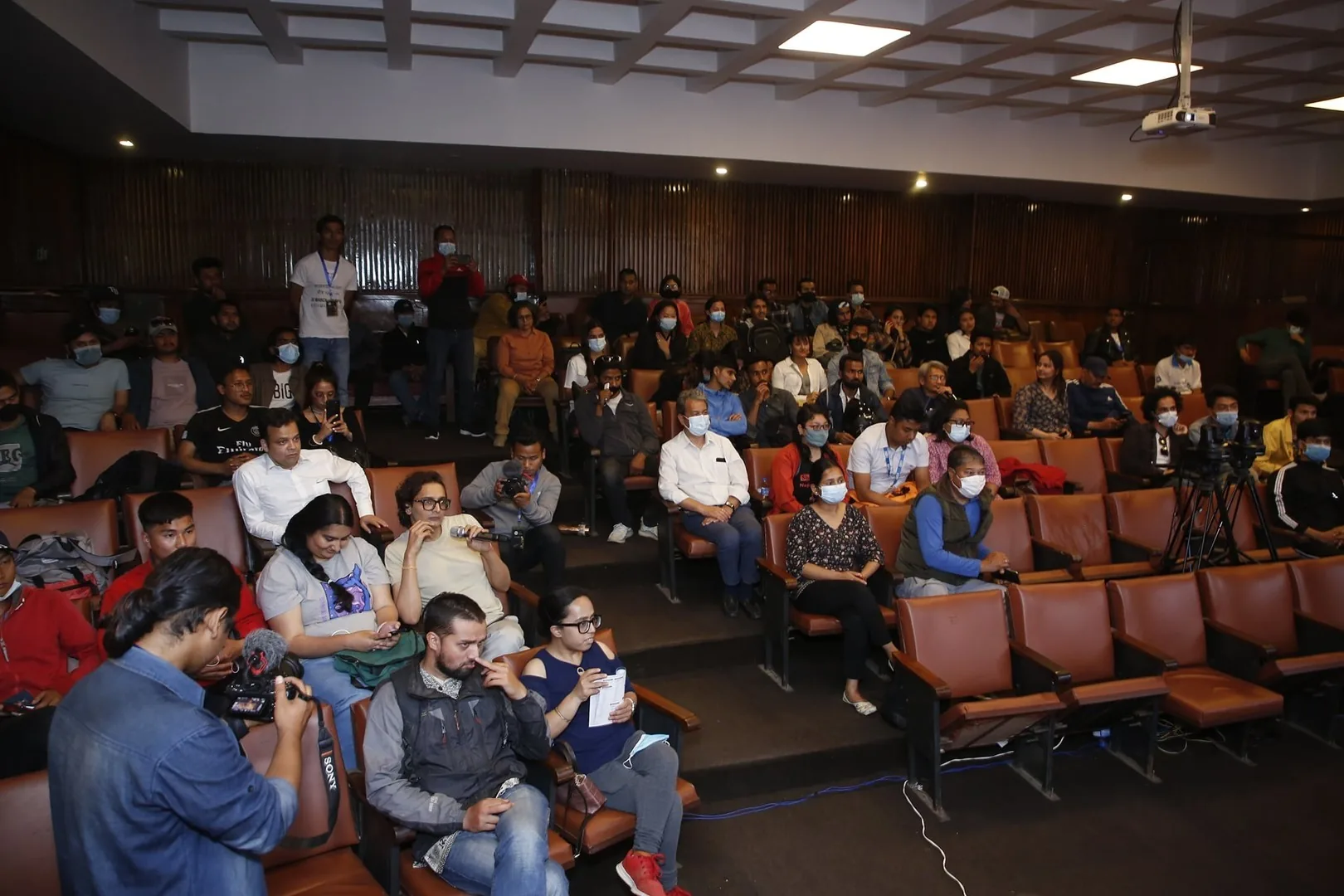
In the years since its founding, NFCA has grown from a festival organiser into a multi-dimensional institution. It runs Nepal’s largest international film festival, pioneers genre cinema in the region, conducts capacity-building initiatives for emerging filmmakers, and creates meaningful dialogue around storytelling, identity and social change.
Cinema, for NFCA, is not mere entertainment. It is a vehicle for social transformation and cultural reclamation — which is why every forum, workshop and festival programme is built around a theme with public stakes: gender equity, environmental consciousness, indigenous rights, access to education, and the documentation of intangible cultural heritage.
As a non-profit, non-political organisation with transparent governance, NFCA is trusted equally by government bodies, diplomatic missions, civil society and the independent creative community — a neutral platform for dialogue, debate and artistic expression.
Connect local filmmakers with the global creative community.
Document, preserve and promote Nepal’s rich intangible cultural heritage through cinema.
Give women, youth and underrepresented communities the knowledge, platforms and networks to tell their own stories.
02 / Core objectives
Develop Nepal as a centre for production, experimentation and creative research.
Establish films as both intellectual and commercial properties, advancing the industry’s global standing.
Explore and nurture Nepali youth through workshops, residencies and festivals.
Run an international festival that serves as Nepal’s primary cinematic window to the world.
Host workshops, panel discussions and training programmes nationally and internationally.
Serve as an advisory body to film authorities, contributing to an equitable film ecosystem.
Facilitate society-based documentaries, features and media products.
Promote Nepali culture, folklore and tradition to global audiences through the cinematic medium.
03 / Why partners choose NFCA
Nine editions of the Nepal International Film Festival, the first edition of the Kathmandu Horror Film Fest, one of Nepal’s largest screenwriting workshops, multiple Film Days with foreign governments, and ongoing monthly community sessions — each delivered on time, on budget, and to international standards.
Working relationships with embassies, cultural centres and governmental film bodies across Asia and Europe. Events attended by ambassadors and heads of mission from Japan, Brazil, Pakistan, Iran, Sri Lanka and Germany among others. Formal MoUs with the University of Vocational Technology, Sri Lanka, the University of Electronic Science and Technology, China, and the Federation of Film Societies.
Gender equity, environmental consciousness, intangible cultural heritage, access to education, indigenous rights and community storytelling run through every programme — ensuring stakeholder investment translates into lasting social value.
Filmmakers, cultural practitioners, event managers and communication specialists in house. Programming, logistics, guest hospitality, media relations, technical production and post-event documentation are handled without dependence on untested vendors.
NIFF receives submissions from over 50 countries and draws thousands of attendees annually. Events are covered extensively by national and international media, and social campaigns routinely reach hundreds of thousands of viewers.
A volunteer corps drawn from Nepal’s film schools staffs every event. NFCA actively creates space for women directors, youth filmmakers and artists from marginalised communities.
Non-profit, non-political and transparently governed — a rare quality in an institution being considered for public or bilateral cultural mandates.
04 / Executive committee
Decades of combined experience in film production, cultural diplomacy and organisational management.
Chairperson

Vice Chairperson

General Secretary
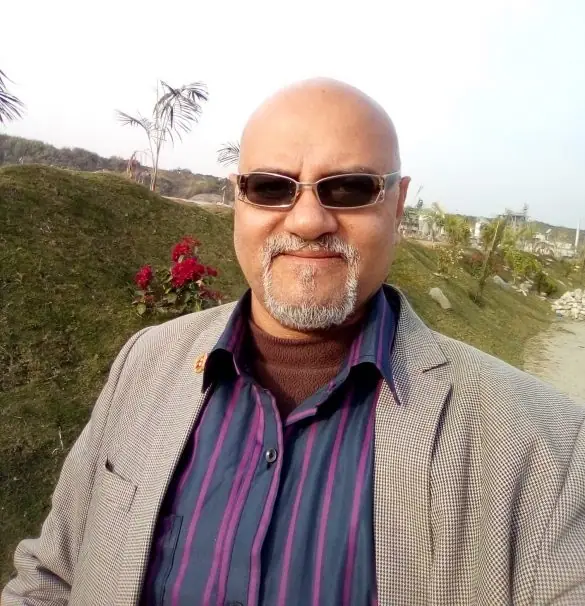
Secretary
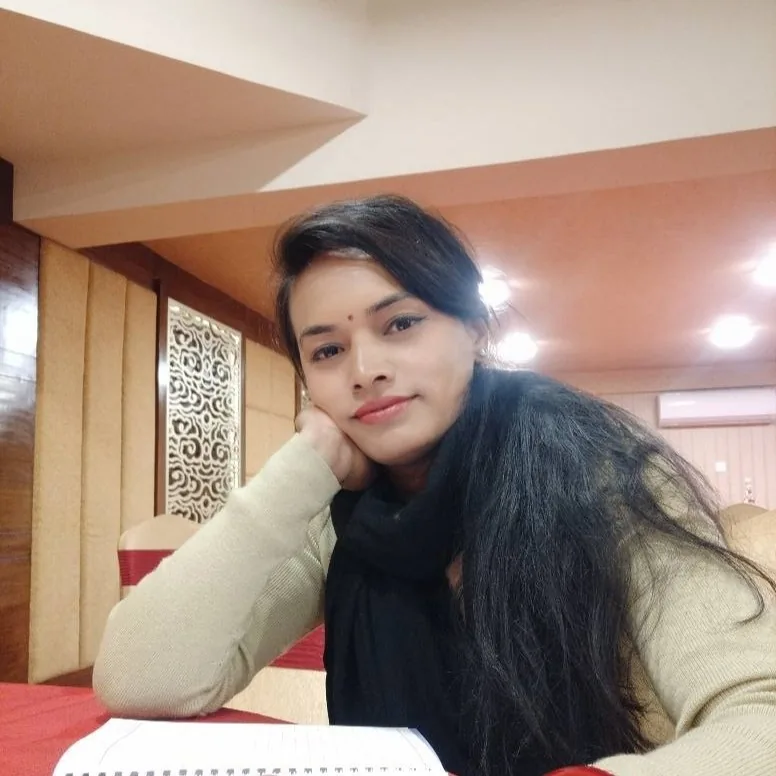
Treasurer

Executive Member

Executive Member
05 / Organisational information
Work with the academy
Tell us what you want to achieve in Nepal’s cultural sector and we will tell you honestly whether we are the right partner for it.